Blog Archive
- July 2026
- June 2026
- May 2026
- April 2026
- March 2026
- February 2026
- January 2026
- December 2025
- November 2025
- October 2025
- September 2025
- August 2025
- July 2025
- June 2025
- May 2025
- April 2025
- March 2025
- February 2025
- January 2025
- December 2024
- November 2024
- October 2024
- September 2024
- July 2024
- June 2024
- May 2024
- April 2024
- March 2024
- February 2024
- January 2024
- December 2023
- November 2023
- October 2023
- September 2023
- August 2023
- July 2023
- June 2023
- May 2023
- April 2023
- March 2023
- February 2023
- January 2023
- December 2022
- November 2022
- October 2022
- September 2022
- August 2022
- July 2022
- June 2022
- May 2022
- April 2022
- March 2022
- February 2022
- January 2022
- December 2021
- November 2021
- October 2021
- September 2021
- August 2021
- July 2021
- June 2021
- May 2021
- April 2021
- March 2021
- February 2021
- January 2021
- December 2020
- November 2020
- October 2020
- September 2020
- August 2020
- July 2020
- June 2020
- May 2020
- April 2020
- February 2018
- January 2018
- December 2017
- November 2017
Categories
Tracker-rate mortgages are on the rise: Could it be a valuable option for you?
Published: July 2, 2026 by Jennifer ArmstrongWhether you’re taking out your first mortgage or it’s a process you’ve been through a few times, there’s an important question you need to answer: What type of mortgage should I take out?
One option you might have overlooked is a tracker-rate mortgage. Indeed, according to statistics from UK Finance (8 May 2025), tracker-rate mortgages account for just 7% of outstanding residential mortgages.
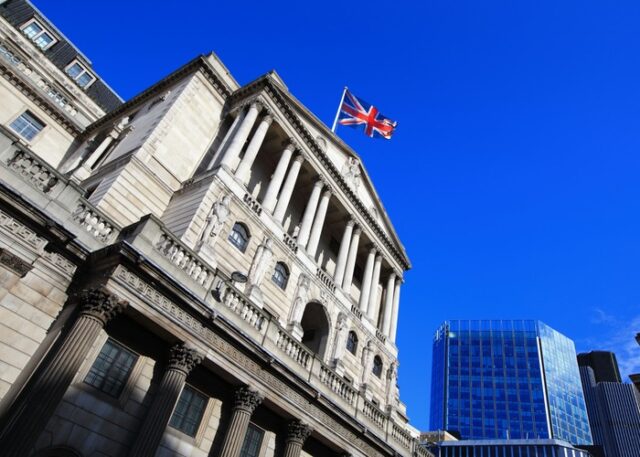
The Bank of England’s base rate could affect your mortgage interest rate
The type of mortgage you choose will affect the interest rate applied to the amount you borrow. As a result, it could affect both your monthly repayments and the total amount of interest you pay during the term of your mortgage.
With a tracker-rate mortgage, the interest rate you pay could rise and fall during the term. The interest rate will track the Bank of England’s (BoE) base rate, plus a defined percentage. For example, your interest rate might be the base rate plus 2%.
The BoE’s Monetary Policy Committee (MPC) meets around every six weeks. One of the things the committee discusses and votes on is whether to change the base rate. Members of the MPC will take numerous factors into consideration when setting the base rate. A key factor is the rate of inflation.
The BoE aims to keep inflation at 2%, and one way it may try to control inflation is to change the base rate. When inflation is high, the BoE might increase the base rate to discourage borrowing. In contrast, when inflation is low, the base interest rate may be lowered to encourage businesses and consumers to spend more.
If you have a tracker-rate mortgage, the interest rate you pay wouldn’t change following every MPC meeting. As well as increasing or decreasing the base rate, the MPC may choose to hold the interest rate.
As of the start of July 2026, the base rate is 3.75% and has been at this level since December 2025.
Tracker-rate mortgages could be competitive
While many homeowners might opt for different types of mortgages, tracker-rate mortgages are on the rise.
According to the Guardian (23 May 2026), some brokers have seen the number of people applying for a tracker-rate mortgage triple in April 2026 when compared to a month earlier.
One reason for the rising interest in tracker-rate mortgages is that they could be financially competitive. The Guardian notes that in May 2026, the cheapest two-year tracker-rate mortgage available on the market had an interest rate of 3.96%. This compares to the cheapest two-year fixed-rate deal at 4.55%.
In addition, the BoE governor, Andrew Bailey, has hinted that the base rate could remain unchanged in 2026, although this would be dependent on the effect of the conflict in the Middle East.
Keep in mind it’s impossible to guarantee how interest rates might change in the coming months and years, as unexpected events can have an impact.
In addition, a tracker-rate mortgage isn’t automatically right for you because the interest rate may be lower. It’s important to compare the different options to understand what type of mortgage might suit your needs.
2 other types of mortgages that you could consider
- Variable-rate mortgage
A variable-rate mortgage operates similarly to a tracker-rate mortgage. During the term, the interest rate you pay may rise or fall. However, instead of tracking the BoE’s base rate, it will follow your lender’s interest rate.
2. Fixed-rate mortgage
A fixed-rate mortgage might be suitable for you if you prefer knowing exactly how much your outgoings will be each month. As the name suggests, the rate of interest you pay is fixed for a defined period, such as two or five years. As a result, this option could provide certainty, especially during a period when interest rates are rising.
However, if interest rates fell, you wouldn’t benefit from this, and you’d potentially be paying a higher rate of interest than comparable tracker- or variable-rate mortgages.
Contact us
If you have any questions about the different types of mortgages or would like our support when searching for a mortgage, please get in touch.
Please note: This article is for general information only and does not constitute advice. The information is aimed at individuals only.
All information is correct at the time of writing and is subject to change in the future.
Your home may be repossessed if you do not keep up repayments on a mortgage or other loans secured on it.

